





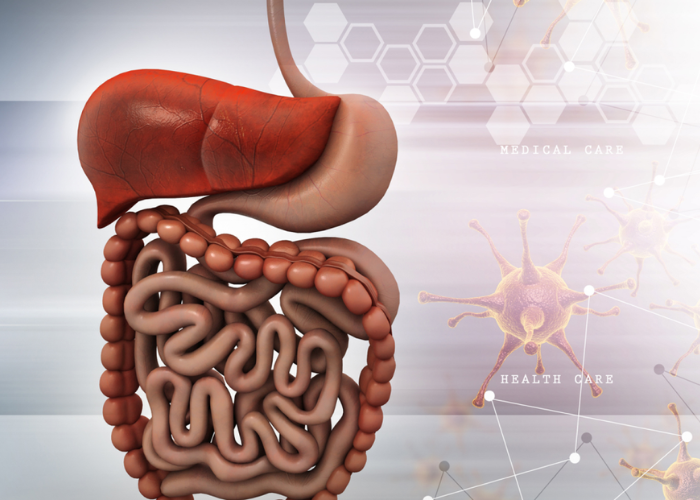
Medical Gastroenterology
Medical Gastroenterology is a specialized branch of medicine focused on the diagnosis, treatment, and prevention of disorders related to the digestive system, liver, pancreas, gallbladder, and intestines. Gastrointestinal diseases can affect a person’s digestion, nutrition, metabolism, and overall quality of life. Many digestive conditions may begin with mild symptoms such as acidity, bloating, abdominal pain, or indigestion, but if left untreated, they can progress into serious chronic illnesses including ulcers, liver disease, inflammatory bowel disease, gastrointestinal bleeding, or cancer.
Our Medical Gastroenterology department provides comprehensive care for a wide range of digestive and liver disorders using advanced diagnostic techniques and evidence-based medical treatments. Our experienced gastroenterologists specialize in managing both acute and chronic gastrointestinal conditions with a patient-centered approach. We offer advanced endoscopic procedures, liver disease management, nutritional guidance, and long-term care plans to ensure better digestive health and improved quality of life.
Conditions Treated
- Acid Reflux & GERD
- Gastritis and Peptic Ulcers
- Irritable Bowel Syndrome (IBS)
- Crohn’s Disease
- Ulcerative Colitis
- Liver Diseases & Fatty Liver
- Hepatitis (A, B, C, and E)
- Pancreatitis
- Inflammatory Bowel Disease (IBD)